

Composite Aluminum Foil Bag Delamination: Causes & Solutions
The problem of delamination in composite aluminum foil bags occurs due to multiple interrelated factors, and requires targeted, science-backed solutions to resolve. Aluminum foil composite bags are ubiquitous in daily life, serving as critical packaging materials across small convenience stores, large shopping malls, and chain retail outlets. They are widely used to package snacks, candies, cooked food, and a wide range of other consumer and industrial products.
For custom packaging production, common defects including unclear printing and layer separation of bonded materials can lead to serious packaging failure, product spoilage, and brand reputation damage. This article investigates the core root causes that lead to composite aluminum foil bags separating into layers, and presents proven, industry-validated effective methods to solve and prevent this costly problem.
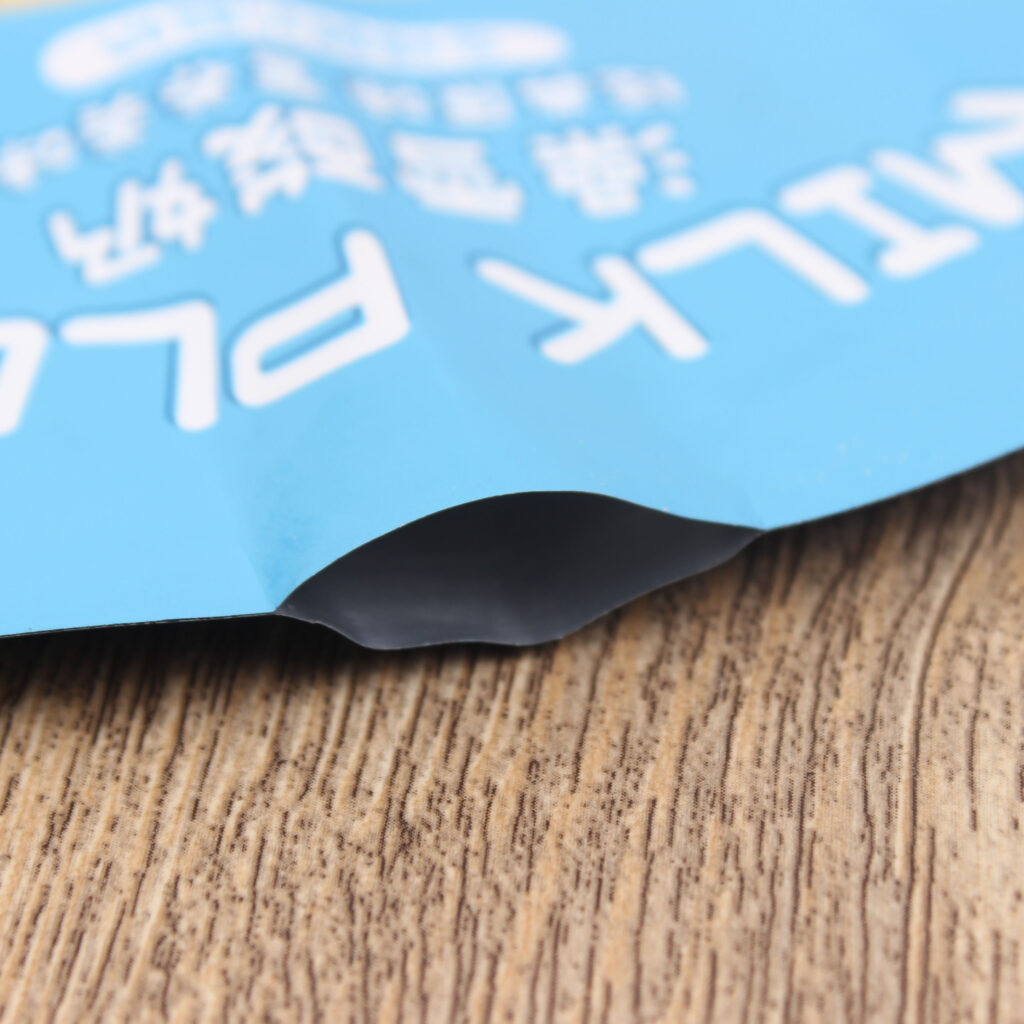
What Is Composite Aluminum Foil Bag Delamination & Why It Matters
Composite aluminum foil bags are multi-layer flexible packaging structures, where each material layer is engineered to deliver distinct performance characteristics – from barrier protection against moisture, oxygen, and light, to heat sealability and printability.
Delamination refers to the unintended separation of these bonded material layers, which completely undermines the packaging’s protective performance, renders it unfit for use, and can lead to product contamination, shortened shelf life, and costly customer returns. For custom packaging projects, delamination is one of the most frequent quality issues that disrupt production timelines and increase waste.
Core Root Causes of Delamination in Composite Aluminum Foil Bags
1. Improper Material Selection for Target Packaging Applications
The composite aluminum foil bags use multiple material layers, each with distinct material characteristics and performance limits. Incorrect selection of materials for specific packaging applications is one of the most common primary causes of product delamination.
Products with high oil content, products requiring high-temperature retort processing, and items needing long-term low-temperature refrigeration all have strict, unique material specification requirements. Failing to match material barrier properties, temperature resistance, and chemical compatibility to the packaged product will directly lead to layer bonding failure over time. You must provide complete packaging use environment and product details to manufacturers before starting your custom composite aluminum foil bag development process, to ensure material selection is fit for purpose.
2. Defects in Lamination & Adhesive Application Process
Composite aluminum foil bags are constructed with two or more material layers, which manufacturers bond together through specialized lamination procedures. The entire lamination process is highly dependent on precise adhesive application, as improper adhesive handling directly results in weak inter-layer bonding, which inevitably leads to product delamination.
Common lamination process defects include uneven adhesive coating thickness, incorrect adhesive mixing ratios, and contaminated adhesive application equipment, all of which prevent full, uniform bonding between material layers.
3. Incomplete Adhesive Curing & Insufficient Production Lead Time

For reliable bonding, the adhesive used in composite aluminum foil bags must undergo complete drying and curing: the industry standard is a constant 50℃ baking process for a full 48 hours after the lamination process is completed.
Some manufacturers cut corners by cutting and producing finished bags early to save production time and speed up turnaround, which interrupts the adhesive curing cycle. This incomplete curing is a major trigger for post-production delamination, even if the bags pass initial quality checks. The standard, quality-assured duration for custom packaging production is 7-15 working days, which includes mandatory curing time to prevent delamination defects.
4. Ink-Related Issues Triggering Heat-Seal Delamination
The printing ink used for aluminum foil bag graphics and branding is another frequently overlooked cause of delamination, with two core failure mechanisms:
- Non-volatile active solvents in the ink will consume a portion of the adhesive’s curing agent during the lamination and curing process. This unbalances the critical ratio of the adhesive main agent to curing agent, resulting in incomplete cross-linking of the adhesive, and ultimately causing heat-seal delamination.
- The ink layer itself suffers damage during the heat sealing process if it cannot withstand the required high temperatures. This thermal damage breaks down the bond between the ink, substrate, and adhesive layer. The same delamination risk occurs when using non-heat-resistant polyesteramine or ammoniated polypropylene inks for high-temperature heat sealing operations.
Proven Actionable Solutions to Prevent Composite Aluminum Foil Bag Delamination
To eliminate delamination risks and ensure long-term packaging reliability, implement the following industry-validated solutions, aligned directly with the root causes outlined above:
- Pre-Production Material Validation: Work with your packaging manufacturer to conduct material compatibility testing based on your product’s oil content, temperature exposure, shelf-life, and storage requirements, before mass production begins.
- Strict Lamination Process Control: Enforce standardized adhesive mixing, coating thickness, and lamination speed parameters, with in-line quality checks to ensure uniform adhesive application.
- Guarantee Full Adhesive Curing Time: Do not rush production; adhere to the mandatory 48-hour 50℃ curing cycle, and maintain a standard 7-15 working day lead time for custom orders to avoid cutting critical curing steps.
- Ink & Heat Seal Compatibility Testing: Use heat-resistant inks formulated for aluminum foil packaging, and conduct pre-production heat seal tests to verify ink and adhesive stability under your required sealing temperatures.
Frequently Asked Questions (FAQs) About Composite Aluminum Foil Bag Delamination
What is the most common cause of delamination in composite aluminum foil bags?
The most common cause of delamination in composite aluminum foil bags is incomplete adhesive curing, often caused by manufacturers shortening the mandatory baking and curing cycle to speed up production, followed by improper material selection for the specific product and packaging use case.
How long should adhesive cure for composite aluminum foil bags?
The industry standard for reliable adhesive curing is a constant 50℃ baking process for a full 48 hours after lamination, with no cutting or finishing work conducted before this curing cycle is complete.
Can delaminated aluminum foil bags be repaired?
No, delaminated composite aluminum foil bags cannot be repaired, as the inter-layer bonding failure is irreversible. Delaminated bags must be discarded, as they no longer provide the required barrier protection for packaged products.
What ink types are safe for high-temperature heat sealing of aluminum foil bags?
For high-temperature heat sealing applications, use specially formulated heat-resistant polyurethane inks designed for aluminum foil flexible packaging, which can withstand high sealing temperatures without breaking down or interfering with adhesive bonding.
Final Summary
Delamination in composite aluminum foil bags is a preventable packaging defect, driven primarily by improper material selection, flawed lamination and adhesive application, incomplete adhesive curing, and incompatible printing inks. By understanding these root causes and implementing the targeted, standardized solutions outlined in this guide, brands and manufacturers can eliminate delamination risks, ensure reliable packaging performance, and avoid costly product waste and brand damage.
Need a custom composite aluminum foil bag solution tailored to your product’s unique requirements? Our packaging experts can conduct a full material compatibility audit and delamination risk assessment for your project. Contact us today for a free consultation, or browse our complete guide to custom flexible packaging best practices.