
Suggestion for custom eco-friendly food packaging
How to Make Your Food Packaging 100% Eco-Friendly Without Breaking the Budget
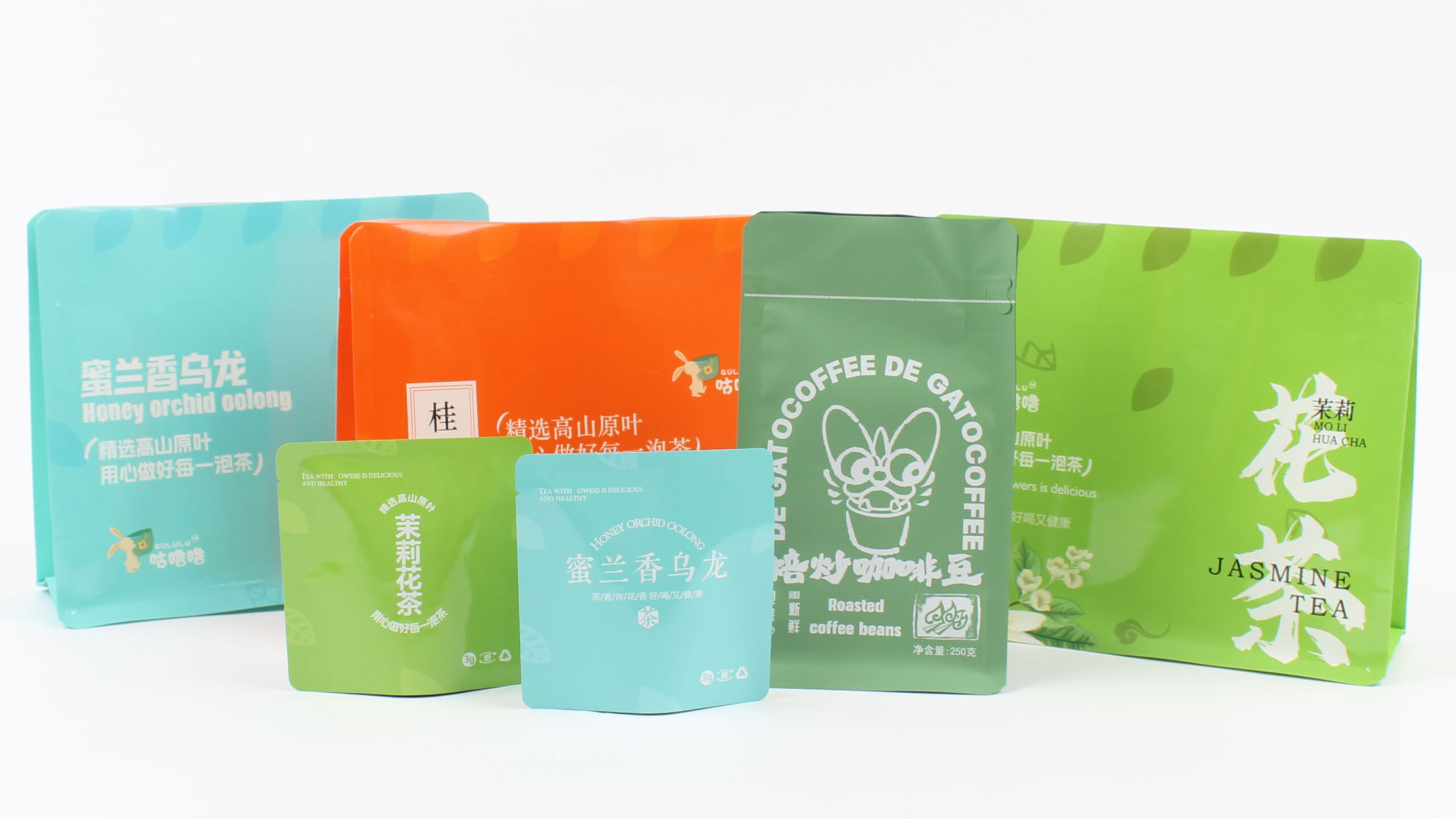
Hey, if you’re a food brand owner, takeaway operator, or exporter who’s been thinking about switching to eco-friendly food packaging, you’re not alone. Every week I get emails from clients saying the same thing: “We want to go green, but the prices are killing us.”
I get it. As a custom food packaging supplier in China, I’ve seen the quotes — some “eco” options cost 40-60% more than regular plastic. But here’s the good news: in 2026, it’s totally possible to make your packaging 100% eco-friendly without blowing your budget. We’ve helped dozens of brands do exactly that, and I’m going to share exactly how we did it.
What Does “100% Eco-Friendly food Packaging” Actually Mean for Food Packaging?
Before we dive into solutions, let’s clear up the confusion. “100% eco-friendly” usually means:
- Made from renewable or recycled materials
- Biodegradable or industrially compostable
- Recyclable in real-world systems
- Food-safe and compliant with FDA/EU standards
- Lower carbon footprint than traditional plastic
It doesn’t mean you have to use super-expensive imported stuff from Europe. There are smart, affordable options right now.
5 Affordable Eco-Friendly Materials That Won’t Break the Bank
Here are the materials we’re actually using for clients who want real sustainability on a normal budget:
- Bagasse (Sugarcane Fiber): Made from leftover sugarcane. Super cheap, microwave-safe, and 100% compostable. We use it for takeaway boxes and plates. Cost is often only 10-15% higher than basic PP.
- PLA (Corn Starch-Based): Looks and feels like plastic but breaks down in industrial compost. Great for clear clamshells and cups. Prices have dropped a lot in 2026 thanks to bigger production here in China.
- Recycled PET (rPET): Made from old plastic bottles. Still crystal clear and strong, but now with up to 100% recycled content. This one can actually be cheaper than virgin plastic right now.
- Paper-Based with Water-Based Coating: No plastic lining. Perfect for dry foods, snacks, or bakery items. We can add a thin barrier that’s still fully recyclable.
- Bamboo or Wheat Straw Blends: Fast-growing, renewable, and often the cheapest green option for cutlery and bowls.
The secret? We blend these materials smartly so you get the performance you need without paying for overkill.
Smart Design Tricks That Cut Costs (and Plastic Use) by 20-35%
This is where most brands waste money. A few simple changes can slash your packaging costs while making it greener:
- Right-size your packaging — No more oversized boxes that use extra material.
- Thinner but stronger walls — Modern eco-materials let us reduce thickness by 15-20% without losing strength.
- Mono-material design — Use only one type of material so it’s easier to recycle (and cheaper to produce).
- Print directly instead of labels — Saves an entire layer of plastic or paper.
- Stackable & nestable shapes — Reduces shipping volume and storage space.
One client of ours (a European salad brand) switched to thinner rPET clamshells and saved 28% compared to their old virgin plastic — while going fully recycled.
How to Source Eco-Friendly Packaging from China Without Paying Premium Prices
This is the part most buyers don’t know. China is actually one of the best places to get affordable green packaging in 2026 because:
- We have the biggest production capacity for PLA and bagasse.
- Factories here can do small MOQs (as low as 5,000-10,000 pieces).
- We can customize colors, printing, and barriers without huge tooling costs.
The key is working with a supplier who already has food-grade certifications and can prove the material is traceable. We test every batch and give you full documentation so you can sleep easy.
Real Stories: Brands That Went Green and Saved Money
Last month we helped a US snack company switch from regular plastic pouches to compostable ones. They were worried about cost, but after we optimized the design and locked in bulk resin pricing, their per-unit cost actually dropped by 8%. Their sales went up 22% because customers loved the “planet-friendly” story on the pack.
Another bakery client in Australia went with bagasse boxes and told me the packaging now feels more premium than their old plastic — even though it costs the same.
Common Mistakes That Make Eco Packaging Expensive
- Buying tiny quantities (MOQ kills your price)
- Choosing imported European materials instead of China-made equivalents
- Ignoring transportation costs (heavy glass or thick paper adds shipping fees)
- Skipping the sample stage and ordering full production too soon
Avoid these and you’ll save a fortune.
Ready to Make Your Packaging 100% Eco-Friendly?
You don’t need a huge budget or a complete overhaul. Start small: pick one product line, test a few eco options, and scale up once you see the results.
We’ve been helping brands do exactly this for years. Whether you need 10,000 pieces or 500,000, we can find the sweet spot between green and affordable.
If you’re staring at your current packaging costs and wondering how to go eco-friendly, just reply to this article or drop us a message with your product type and monthly volume. I’ll personally review it and send you 2-3 realistic options with real pricing — no pressure, no sales pitch.
Your food deserves packaging that protects it and the planet. Let’s make that happen without breaking the bank.
Talk soon, Your Partner at Galepack – Custom Food Packaging from Chinand you’ll save a fortune.